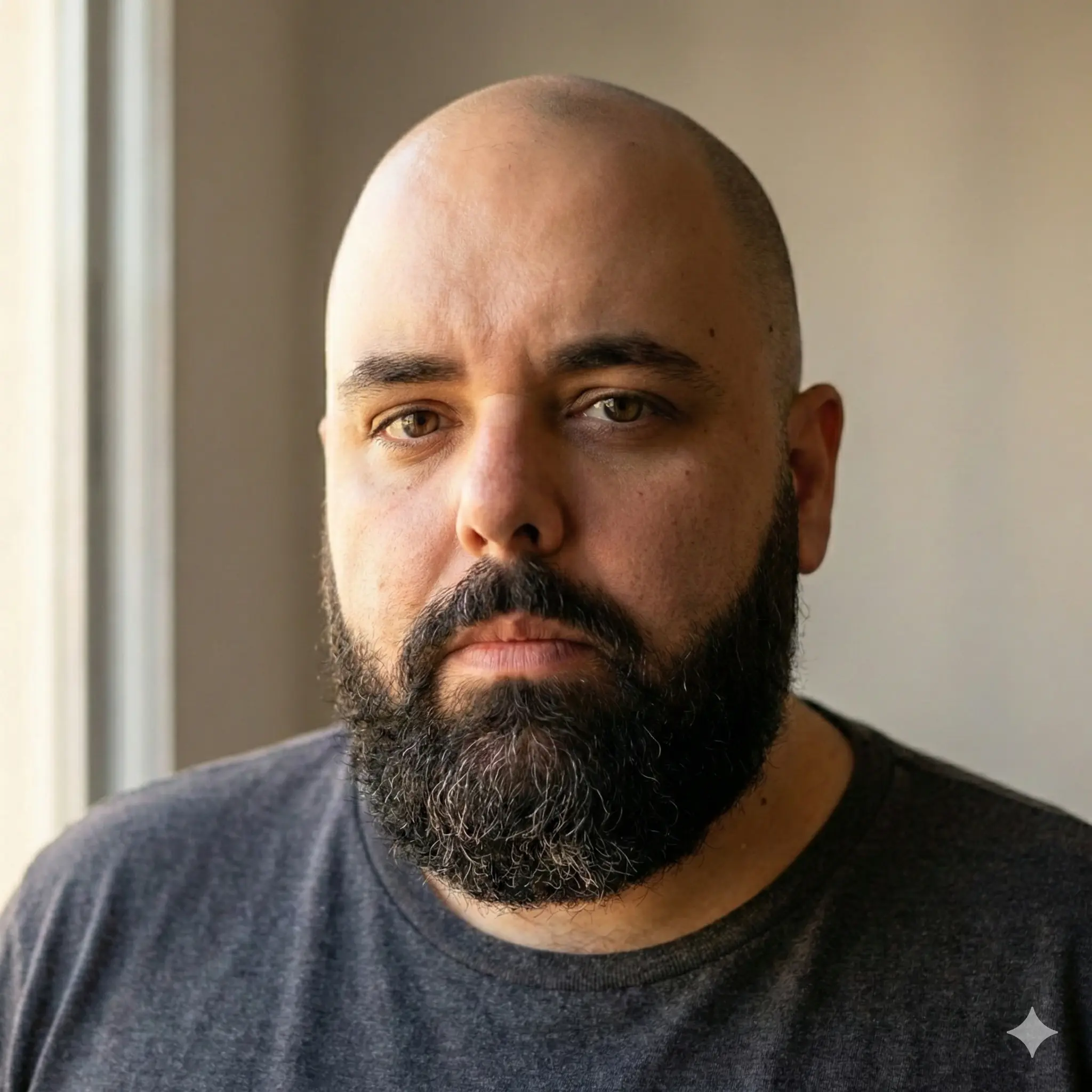
The Architect. The Builder. The Human.
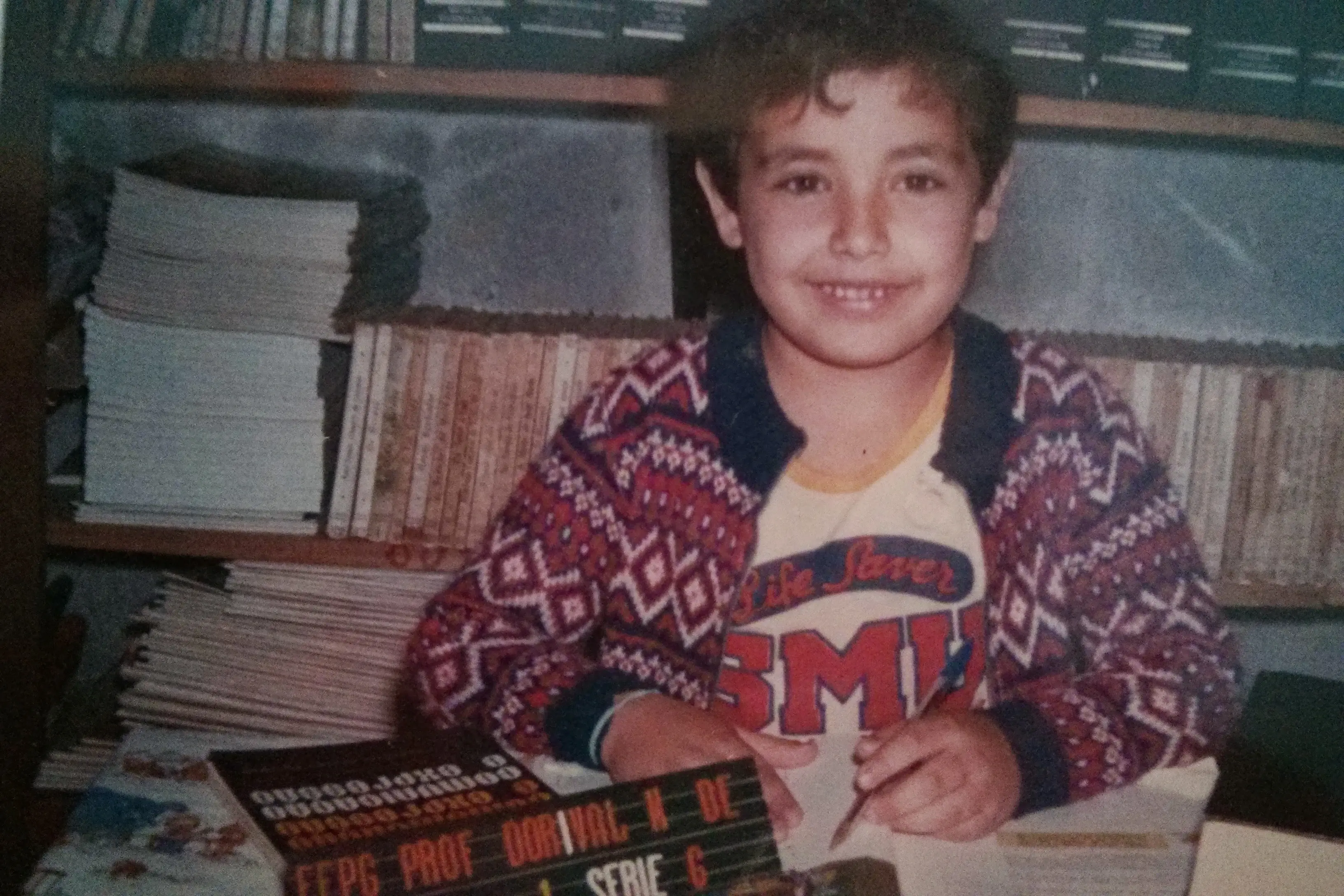
The Kid with the Book
On the business card, I'm a Tech Lead and Advisor. In practice, I'm a systems architect and educator. But deep down, I'm still that hyper-focused kid, devouring books and exploring a used MSX.
As a child, I would read a hundred pages in a single day. The school librarian even called my parents, incredulous. But I didn't want to impress anyone. I just had a hunger. A hunger for stories, for understanding how things connected. Comics filled my shelves. Words filled my afternoons. Writing became a silent companion.
Learning How We Learn
When I chose to study Teaching (Magistério), many people were surprised. But studying Paulo Freire and Piaget taught me something essential: the best way to master complexity is by learning how to teach it. I didn't just learn content. I learned how people learn. How to break complex ideas into something clear. How to translate the world I saw for those who saw it differently.
It was this hunger to understand systems that led me to the MSX connected to the living room TV. I sat down, opened the manual, and decided it would be fun to understand how that machine thought. The hours disappeared. Logic became language. Language became control. Without formal training, I simply recognized the patterns with the same intensity with which I devoured books.
From Printers to Servers
This pattern would repeat many times. I built my first websites in the 90s just to talk about what I liked. I discovered Linux through stacks of floppies and felt something click: a system that invited exploration. Freedom not as an ideology, but as an architecture.
My first IT job was modest: fixing printers in a small town. Officially, I was the guy who fixed things. But in my spare time, I saw bottlenecks. I turned discarded computers into servers. I gave the factory floor team their first internet access. I automated everything I could. Improving wasn't a task. It was a reflex.
The Human Connection
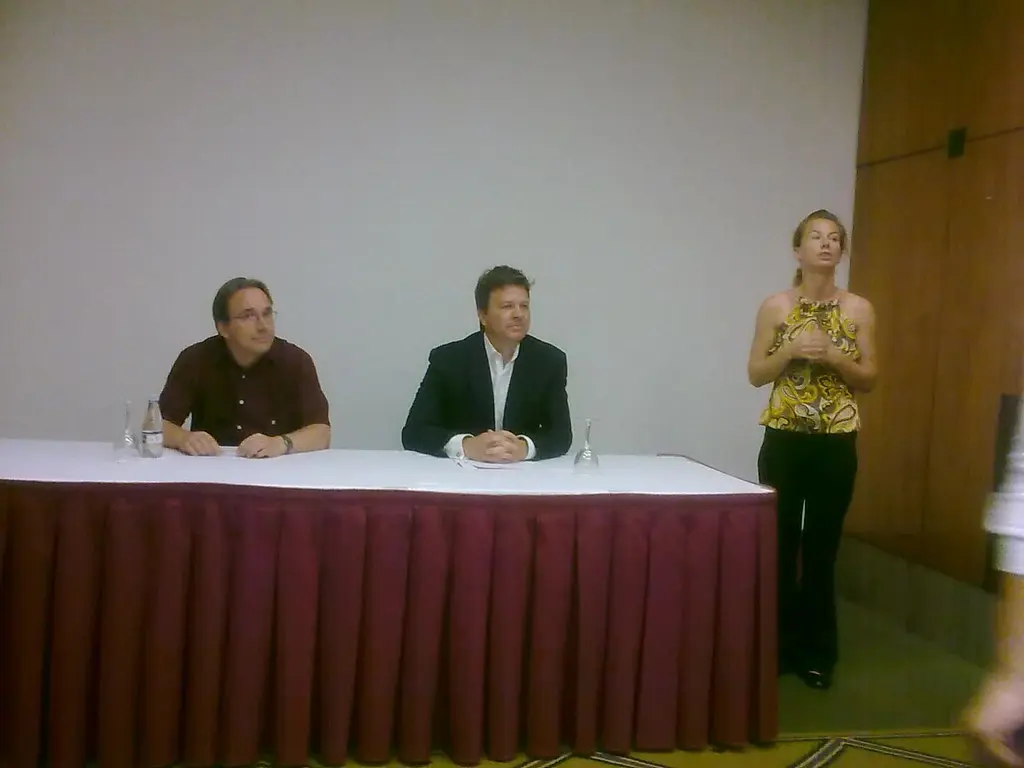
This desire to translate technology turned me into a natural technical writer. I started documenting everything. I wrote for blogs, spoke at Campus Party, published a physical book about networking. I lived surreal moments — like crying in front of Linus Torvalds. Some heroes weren't meant to be met with total serenity.
For years, I felt aligned with the future. Building, explaining, automating. Until 2018. Burnout rarely explodes. It erodes. The same intensity that made me read faster was running without a pause. Later, I would understand better: I am neurodivergent. Hyperfocus is a gift and a part of who I am. Slowing down wasn't failure. It was recalibration.
The AI Extension
Remote work gave me space. Fewer interruptions. More depth. I rebuilt my relationship with technology not as pressure, but as a craft. When AI emerged as a practical tool, I didn't see a rival. I saw an extension. Finally, a tool that amplifies thought and accelerates execution. A partner to transform accumulated ideas into real systems.
The proof came quickly. I rediscovered my voice as an educator and writer, and in less than a year, I gathered over seventeen thousand followers on Dev.to, returning to what I love most: translating the complex.
Closing the Circle
When I won a global AI challenge by building "Auty" (a bot designed to support and guide autistic people), the circle closed. I wasn't just using technology to organize my own mind; I was building the support system I needed myself.
Today, my job is to operate in the gap where systems fail. I enter complex environments and leave them with more clarity, more structure, and less noise. I create bridges so that automation projects survive the real world. And deep down, I still carry the boy who read too much, the teacher who learned to explain, and the builder who can't stop improving systems.
The difference is that now I understand my own system better. From the BASIC manual to AI pipelines, I've always done the same work: seeing how the parts connect, removing what blocks, and designing systems that keep working even when nobody is watching.